Free novels to read online: the 4 types of sites and apps, and how to avoid pirated copies
Free novels to read online come from four kinds of places: Aozora Bunko (Japan's free digital library of classics), web novel sites, free books at e-book stores, and library e-books. The shortcut to choosing is knowing who pays the cost of each. Using official information as of November 2026, with Japanese services as the examples, we compare what is free, whether you need to sign up and how it is paid for, and show how to avoid pirated copies.
Key takeaways
- Free novels come from four places: Aozora Bunko (Japan), web novel sites, free books at e-book stores, and library e-books
- Once you know who pays the cost, you can tell in advance what is free and where sign-up or money comes in
- Many web novel sites let you read without signing up; bookmarks and similar features need a free account
- If even new releases are all free, suspect piracy. Check who pays, the ABJ mark (Japan) and how the free offer works
- When children read, check the site's age rules together with the filtering settings on the device
Free novels to read online come from 4 places, sorted by who pays
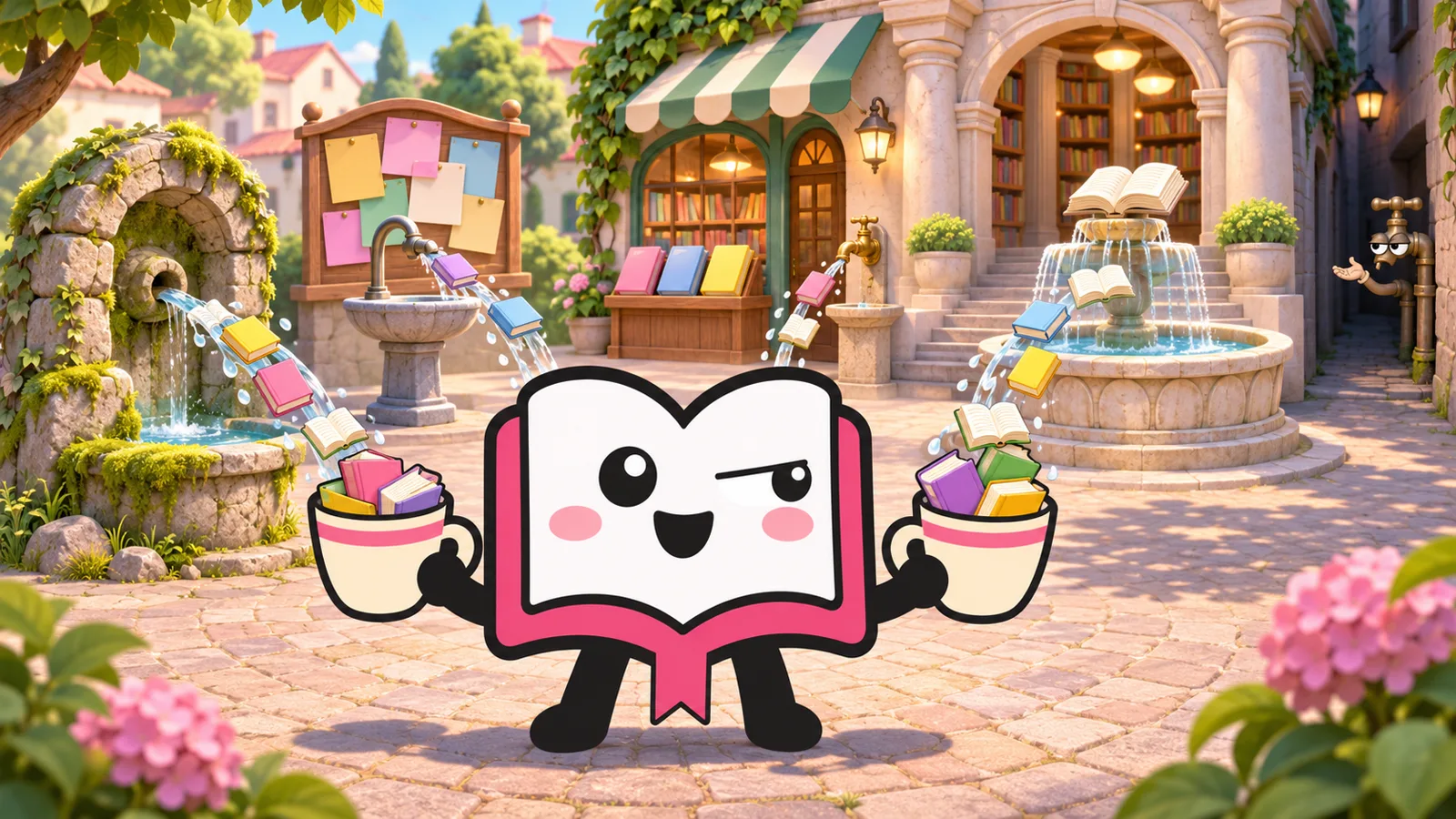
There are four main places to read novels for free: Aozora Bunko, a Japanese collection of classic works; web novel sites, where writers post their own stories; free books and subscription trials at e-book stores; and library e-books. There are countless site and app names, but most of them fit into one of these four.
The shortcut to choosing is knowing each one's “reason for being free” — in other words, who pays the cost of delivering the books. Once you know the reason, you can tell in advance how far the free part goes and where sign-up or money comes in. For example, a book a publisher hands out because it wants you to “try it first” assumes you will buy the rest. A library book follows the rule that the library lends books it owns, for a limited time, to people with a library card.
On the other hand, if a place fits none of these four reasons yet lets you read even the new releases sold in bookstores entirely for free, that is a sign to suspect piracy. How to tell is covered in a later section.
For classic masterpieces, Aozora Bunko
Aozora Bunko is a Japanese digital library that collects works whose copyright has expired and works whose authors have allowed them to be published for anyone to read freely. It runs on volunteer effort, and the works are published as text and XHTML (a format you can read in a browser) files. As far as we could see in the official information on November 12, 2026, no sign-up procedure for reading is mentioned. Open a work's page in your browser and you can read it right away.
For Natsume Sōseki, for example, you will find works familiar from Japanese school textbooks, such as Botchan, Kokoro and Ten Nights of Dreams. To find something quickly, start from the “by author” and “by title” indexes on the home page, which are arranged in Japanese syllabary order. Starting with a short work like Ten Nights of Dreams helps your eyes get used to the older style of language.
One thing to keep in mind: besides works whose copyright has expired, Aozora Bunko also includes works whose rights holders have allowed them to be published. Reading them is free, but whether you may copy and share or adapt them differs from work to work. Check the rules on the official “guidelines” page. If you want to read English classics in the original alongside a translation, see Free Bilingual Stories: Read English With a Translation.
For new work by today's writers, web novel sites: read without signing up, sign up to follow along
If you want to read novels being written now for free, web novel sites, where writers post their own work, are the main source. Because the authors publish for free, you can read works before they become books, and even works that never become books.
Large sites also have a large number of works. Shōsetsuka ni Narō (“Let's Become a Novelist”), a major Japanese web novel site, states in its official information that “you are free to read the novels posted,” and on November 12, 2026, its help page put the number of posted works at over 1.35 million. For Kakuyomu, another Japanese web novel site, we confirmed on November 12, 2026 that opening a chapter page without signing up displayed the text.
Sign-up becomes necessary when you want to follow a story. On Shōsetsuka ni Narō, you need to log in to use bookmarks for saving works you like. User registration is free, and once a serialized work is in your bookmarks you can also use the reading-position marker. If you read a long serial a little at a time, signing up keeps you from losing track of where you stopped.
How each site is paid for differs. Kakuyomu has Kakuyomu Next, a monthly all-you-can-read plan for new work by professional authors, and subscribing removes the ads on the site. Some Next works also have a set number of chapters available for free, decided work by work. Prices and the number of free chapters may change, so check the official pages.
For published novels, stores' “limited-time free” books and subscription trials
If you want to read published novels — the kind you find on bookstore shelves — for free, the free shelf at an e-book store is the way in. Stores make these books free because the publisher or store wants you to “try it and buy the rest.” That is why you often see free offers that cover only the first volume, last only until a set date, or include only the opening part of the book.
For example, when we looked at the free books page of BOOK☆WALKER (a Japanese e-book store) on November 12, 2026, it listed “limited-time free” books and “free trial editions,” and some books showed a reading deadline. Books with a deadline may become unreadable once it passes, so check the deadline before you start.
Some all-you-can-read services also offer a free trial period for first-time users. BOOK☆WALKER's all-you-can-read plan (MAX course) covers light novels and literary fiction as well, and says first-time subscribers can try it free for 14 days. Before you sign up, check the official information on whether you will be charged after the trial ends and how to cancel.
Library e-books: borrow from home with a library card
Library e-books are easy to overlook. According to a summary by the Association for E-publishing Business Solution (AEBS), a Japanese industry body, 625 local governments in Japan had introduced e-libraries as of October 1, 2026. If your town's library is one of them, all you need is a library card to borrow novels without leaving home.
The rules differ from library to library. For example, you might log in with your library card number (some libraries call it a “borrowing card”) and a password, or there may be a set number of items you can borrow at once and a set loan period. Some libraries only issue library cards to people who live in that municipality or who commute there for work or school. Some libraries also offer books you can read without logging in. Check these conditions on your library's website.
For older books, Japan's National Diet Library also offers the “Digitized Contents Transmission Service for Individuals.” It lets you read materials that are hard to obtain, such as out-of-print ones, on your home computer or smartphone. It is available to registered users (full registration) of the National Diet Library who live in Japan.
Not sure? Choose by what you want to read and how you read
Lining up the four places by what you want to read and how you read gives the following. You do not need to settle on just one; using each for its own purpose is the natural approach.
| What you want to read | Best place | What you can read free | Sign-up | How it is paid for |
|---|---|---|---|---|
| Classic works you saw in school textbooks | Aozora Bunko | The full text of works available on the site | No sign-up procedure for reading is mentioned | Supported by volunteers |
| New work and serials by today's writers | Web novel sites (Shōsetsuka ni Narō, Kakuyomu, etc.) | Works the authors have published for free | Not needed just to read. Bookmarks and similar features need a free account | Depending on the site, ads or a monthly all-you-can-read plan (e.g. Kakuyomu Next) |
| The first volume of a published novel, the start of a hit | E-book stores (e.g. BOOK☆WALKER) | Limited-time free books, trial editions, subscription trials | Check each store's official information | Buying the rest, or a monthly all-you-can-read plan |
| Published novels, read at leisure | Library e-books | Borrow e-books the library owns, for a limited time | That library's library card | Lent by public libraries |
You could also split it this way: serials on web novel sites for reading a little at a time on the move, and the library for a whole book on the weekend. Start a subscription trial once you have decided on a few books you want to read, so you do not waste the trial period.
If even new releases are all free, suspect piracy
While searching, you may come across sites or apps that claim you can read books sold in bookstores entirely for free. If none of the four funding sources in Figure 1 can explain it, the site or app may be offering “pirated copies” posted without permission from the author or publisher.
An article on Gov-Online, the Japanese government's public relations site (April 2026 issue), states that uploading or publishing pirated copies violates Japan's Copyright Act whether it is free or paid. Downloading becomes illegal when you do it knowing that it is a pirated copy. According to Japan's Ministry of Internal Affairs and Communications, since January 1, 2021 this has covered not only music and video but copyrighted works in general, including magazines and books. In addition, if you repeatedly and continuously download pirated copies of works whose legitimate versions are offered for a fee, you may face criminal charges if the rights holder files a complaint. The same Gov-Online article also warns that clicking ads shown on pirate sites can lead to a virus infection.
When telling them apart, look at these three things.
- Who pays: whether the page says who is delivering the books, such as the company or organization running it, the author or a library
- The ABJ mark: a registered trademark in Japan showing that an e-bookstore or distribution service is a legitimate one with permission from the copyright holders. A list of services displaying the mark (a whitelist) is also published on the website of the Association for E-publishing Business Solution, which runs it
- How the free offer works: whether new releases on sale are free as complete sets with no time limit
Note, however, that the ABJ mark is something e-bookstores and distribution services apply to use. The absence of the mark alone does not make a service illegal, so consider it together with the other two points.
When children read, check the age rules and the device settings
Anyone can post works on web novel sites. That also means you may come across works with content unsuitable for a child's age. Check each site's age rules in its terms of use or help pages. On Shōsetsuka ni Narō, for example, works that people under 18 must not read are kept on separate sites (Nocturne Novels, Midnight Novels and Moonlight Novels).
On a child's smartphone, device settings help too. According to Japan's Ministry of Internal Affairs and Communications, setting up filtering on devices used by people under 18 is a legal obligation for mobile carriers and retailers in Japan, and it can be adjusted to suit the child's age and the family's rules. It also explains that on iPhones and similar devices, filtering apps mainly control web browsing, while app use is restricted with Screen Time and similar features. When installing a novel app, it is best to check these settings at the same time.
Can't find the story you want? Make one and read it
Even after going through the four places, you may not find “the story that fits exactly how I feel right now.” Looking back over the requests sent to Original Novel (22 requests from 11 people on November 6–7, 2026, so treat it as a rough guide), the most common wishes were “the flutter of romance” and “a twist ending,” with 8 each, and “I want to cry,” with 6. What people want to read seems to be decided more often by “how I want to feel” than by the name of a genre.
Original Novel is a novel site launched in November 2026 where you can create stories with AI and read them. In “Find stories,” you can filter by reader age, genre, text language and story status. Add the chapters you want to your library and you can read them even with no signal. Stories in Japanese and Traditional Chinese can also be read in vertical writing. As of November 2026, you can read without signing up, and you can create stories too (account registration is coming soon).
Stories to pick by mood
See more: Stories to pick by mood ›Stories written by AI on this site. From heart-fluttering romance to twist endings and tear-jerkers, sorted by how much they are read.
 The Only Voice I Can't HearFor teens · Showbiz & idolsCompletedMay We Begin With a Lie?For adults · RomanceThe Jingjok Behind the BlackboardFor kids · School
 CompletedThe Sea WallFor adults · Fantasy
If you feel like making a story yourself, Free AI Story Generator: No-Sign-Up Picks, Apps & Tips covers how to choose a tool and how to prompt it.
Sources (date checked)
- Aozora Bunko at a GlanceAozora Bunko / Japanese / Checked Nov 18, 2026
- About Shōsetsuka ni NarōShōsetsuka ni Narō / Japanese / Checked Nov 18, 2026
- Free manga and free books: free sample reading at the e-book store BOOK WALKERBOOK☆WALKER / Japanese / Checked Nov 18, 2026
- Libraries with e-library (e-book) services (as of October 1, 2026)Association for E-publishing Business Solution (AEBS) / Japanese / Checked Nov 18, 2026
- Digitized Materials Transmission Service for IndividualsNational Diet Library, Japan / Japanese / Checked Nov 18, 2026
- [Policy notice] Alert on eradicating counterfeits and pirated contentGovernment of Japan (HIGHLIGHTING JAPAN, April 2026) / Japanese / Checked Nov 18, 2026
- ABJ MarkAssociation for E-publishing Business Solution (AEBS) / Japanese / Checked Nov 18, 2026
- Are you making good use of your smartphone settings?Ministry of Internal Affairs and Communications, Japan / Japanese / Checked Nov 18, 2026
FAQ
Are free novel apps safe?
Before installing an app, check its app store listing or official website to see which company runs it and where its books come from. Avoid apps where every new release on sale is free with no time limit, because they may be pirated. How to tell is covered in the section “If even new releases are all free, suspect piracy.”
Can I download free novels and read them with no signal?
Some places allow it. Aozora Bunko publishes its works as text and XHTML files. Whether you can save books to your device from e-book stores or library e-book services depends on each service, so check its help pages. In Japan, downloading something while knowing it is a pirated copy is illegal, so get your books from legitimate services.
Can I read Japanese novels for free if I live outside Japan?
Aozora Bunko and Japanese web novel sites can be read in a browser. Some library e-book services only issue cards to people who live, work or study in that town, and the National Diet Library's Digitized Contents Transmission Service for Individuals is limited to people living in Japan. Check each service's terms before using it.
Can I read free novels in vertical writing?
Some places offer it. Vertical writing is the traditional top-to-bottom layout of Japanese books. Shōsetsuka ni Narō, a Japanese web novel site, explains in its help how to “read works as a vertical-text PDF.” On Original Novel, stories in Japanese and Traditional Chinese can be read vertically. For other sites and apps, check their display settings or help pages.